



[12:23 AM, 2/20/2026] Salman Yousfzai: By : Zia ul Haram
PESHAWAR:
Honour killing remains one of the most disturbing human rights violations in Khyber Pakhtunkhwa (KP), where women continue to lose their lives in the name of so-called family honour. Despite legal reforms and growing awareness, the practice persists, particularly in rural and tribal areas.
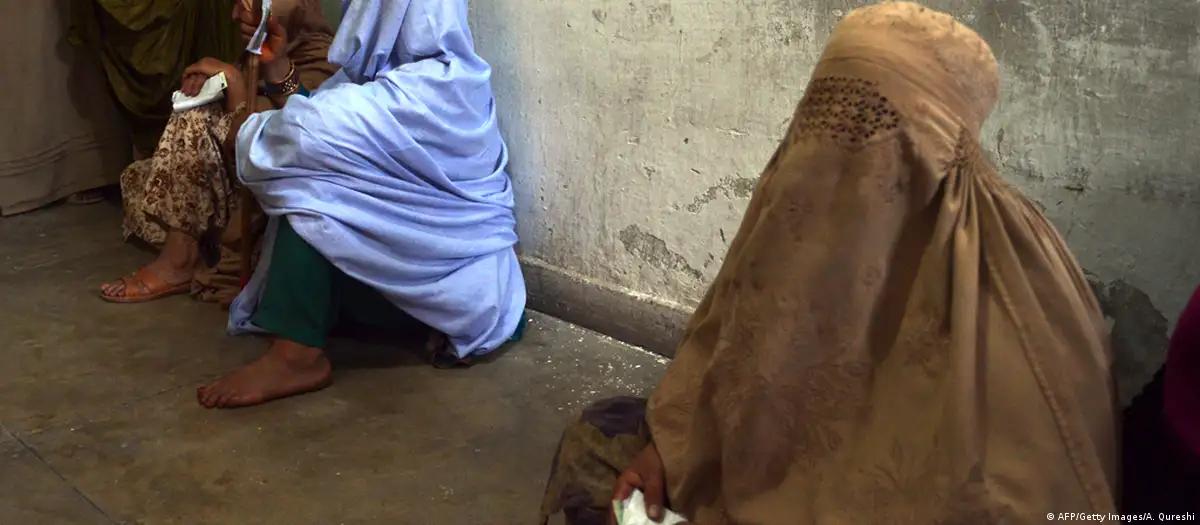
In many cases, women are targeted for exercising basic rights such as choosing their life partner, seeking divorce, or even being accused of bringing “shame” to the family. These accusations often lead to brutal acts of violence committed by close relatives, including fathers, brothers, or husbands.
According to the Human Rights Commission of Pakistan, honour-based violence remains underreported due to fear, social pressure, and lack of trust in the justice system. Many families conceal such crimes or label them as suicides or accidents to avoid legal consequences.
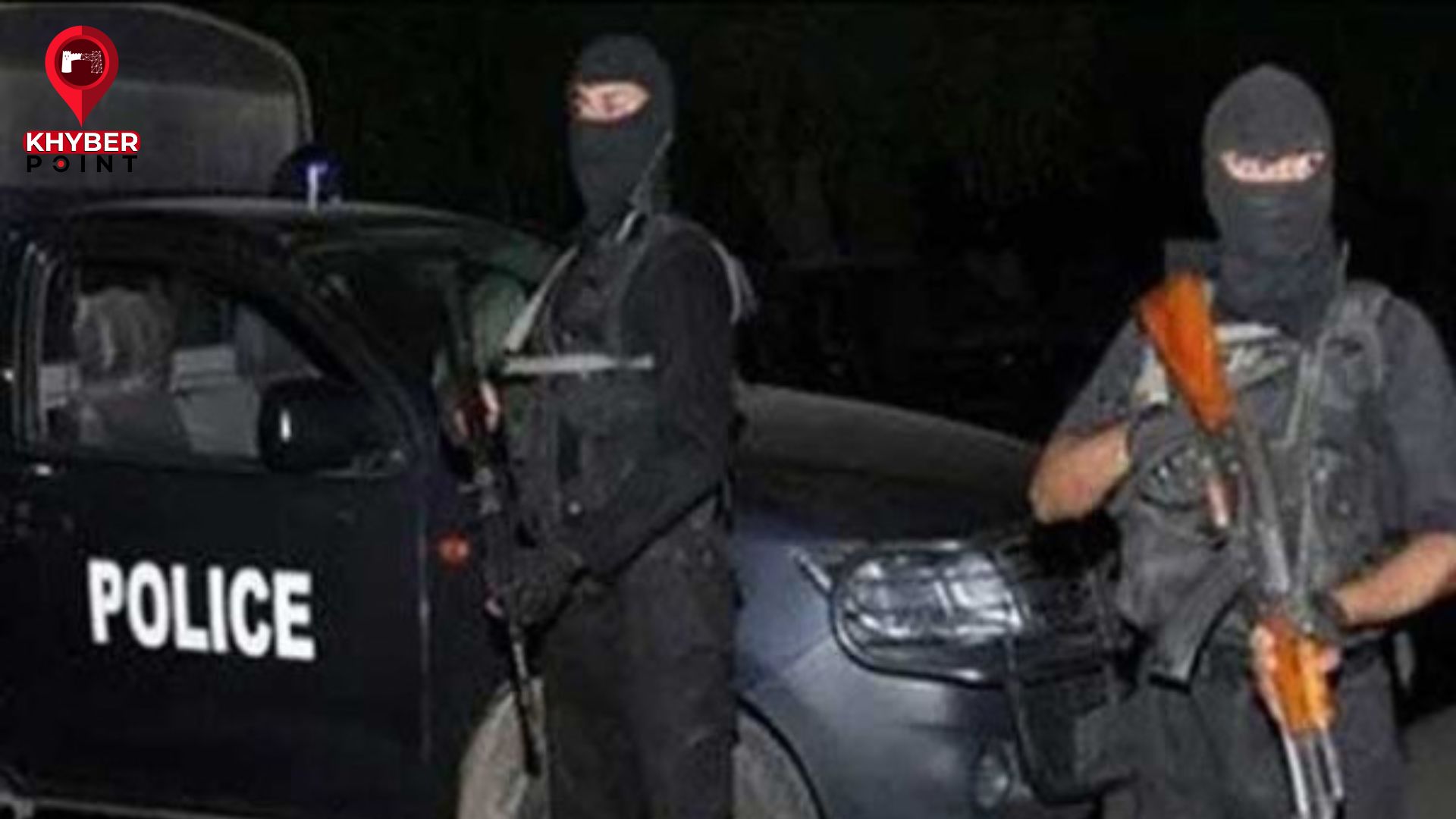
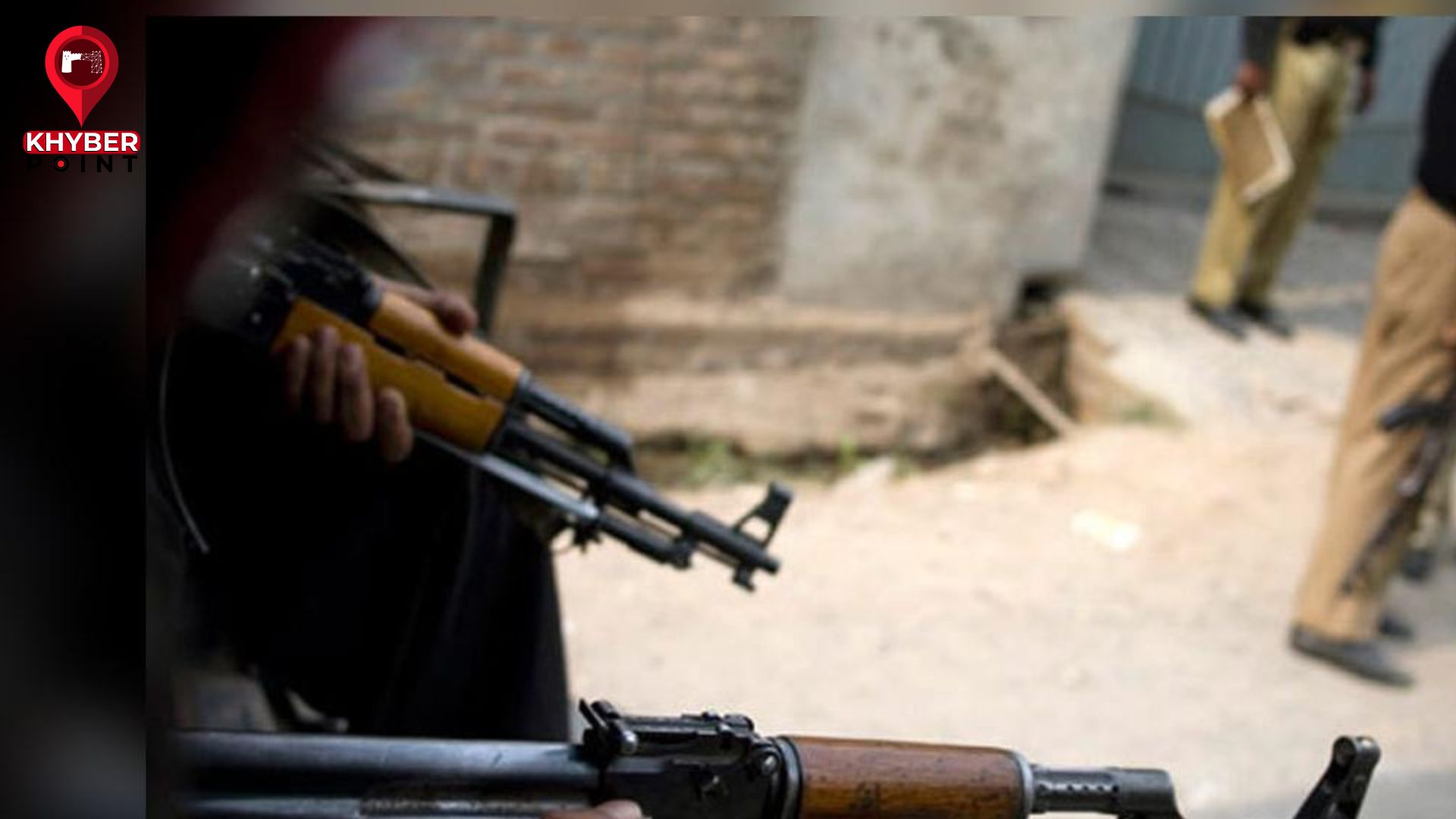
In Peshawar and other parts of the province, law enforcement agencies have taken steps to address the issue, but weak implementation and out-of-court settlements often allow perpetrators to escape punishment. Legal experts say that although honour killing is treated as murder under Pakistani law, social acceptance in certain communities continues to hinder justice.
Women’s rights activists argue that honour killing is not about honour but about control and gender inequality. “It is a violation of fundamental human rights. No cultural or traditional justification can excuse taking someone’s life,” said a local human rights defender.
Civil society organizations and advocacy groups have been working to raise awareness, provide legal support to victims’ families, and promote education as a long-term solution. They emphasize that empowering women and educating communities are key to eliminating such harmful practices.
Experts also highlight the important role of media in exposing honour killing cases and creating public pressure for accountability. Increased reporting has helped bring attention to the issue, encouraging authorities to take action and initiate reforms.
While laws exist, activists stress that real change requires a shift in mindset. Protecting women’s rights, ensuring access to justice, and challenging harmful social norms are essential steps toward ending honour-based violence.
Honour killing remains a harsh reality for many women in KP, but continued advocacy, stronger law enforcement, and growing awareness offer hope that such crimes can one day be eradicated.
[12:24 AM, 2/20/2026] Salman Yousfzai: Title: Honour Killing: A Persistent Threat to Women’s Lives in Khyber Pakhtunkhwa
By : Zia ul Haram
PESHAWAR:
Honour killing remains one of the most disturbing human rights violations in Khyber Pakhtunkhwa (KP), where women continue to lose their lives in the name of so-called family honour. Despite legal reforms and growing awareness, the practice persists, particularly in rural and tribal areas.
In many cases, women are targeted for exercising basic rights such as choosing their life partner, seeking divorce, or even being accused of bringing “shame” to the family. These accusations often lead to brutal acts of violence committed by close relatives, including fathers, brothers, or husbands.
According to the Human Rights Commission of Pakistan, honour-based violence remains underreported due to fear, social pressure, and lack of trust in the justice system. Many families conceal such crimes or label them as suicides or accidents to avoid legal consequences.
In Peshawar and other parts of the province, law enforcement agencies have taken steps to address the issue, but weak implementation and out-of-court settlements often allow perpetrators to escape punishment. Legal experts say that although honour killing is treated as murder under Pakistani law, social acceptance in certain communities continues to hinder justice.
Women’s rights activists argue that honour killing is not about honour but about control and gender inequality. “It is a violation of fundamental human rights. No cultural or traditional justification can excuse taking someone’s life,” said a local human rights defender.
Civil society organizations and advocacy groups have been working to raise awareness, provide legal support to victims’ families, and promote education as a long-term solution. They emphasize that empowering women and educating communities are key to eliminating such harmful practices.
Experts also highlight the important role of media in exposing honour killing cases and creating public pressure for accountability. Increased reporting has helped bring attention to the issue, encouraging authorities to take action and initiate reforms.
While laws exist, activists stress that real change requires a shift in mindset. Protecting women’s rights, ensuring access to justice, and challenging harmful social norms are essential steps toward ending honour-based violence.
Honour killing remains a harsh reality for many women in KP, but continued advocacy, stronger law enforcement, and growing awareness offer hope that such crimes can one day be eradicated.